
Custom labels: rolls, sheets, materials — the product guide
Published 5 July 2026 · Welye products
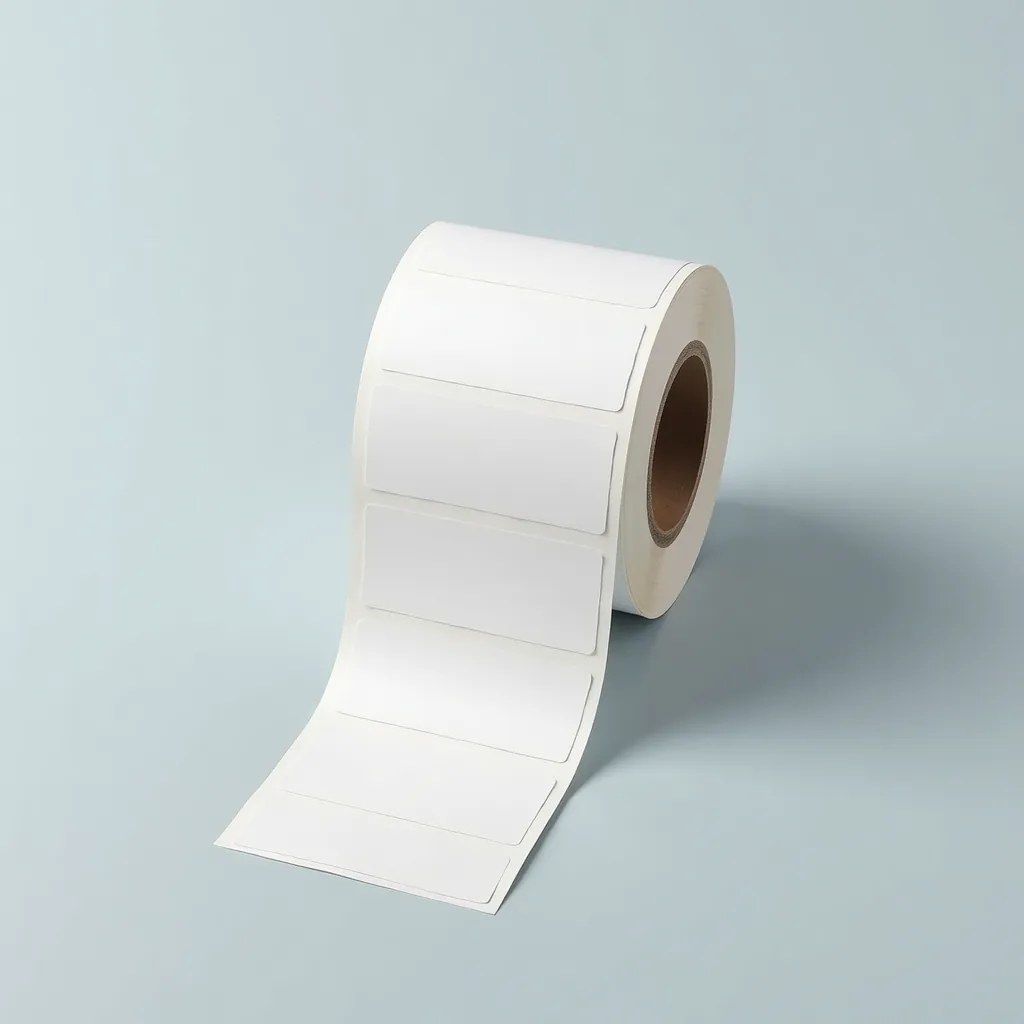
The label is the smallest communication medium — and one of the most demanding: stuck on a jar, a bottle or a parcel, it must seduce AND withstand its environment. Here's how we guide our clients, from format to material.
Rolls or sheets: a question of use
Labels on rolls are the production format: machine application or fast, regular hand application, ideal as volumes grow — cosmetics, food, e-commerce. Labels on sheets (kiss-cut, peeled one by one) are the flexible format: short runs, multiple references, occasional shipments. Both worlds are presented on our roll labels and sheet labels pages.
The material follows the environment
- ✓Coated paper: the natural choice for dry goods — beautiful colour, authentic touch. Perfect for fine food, candles, cardboard packaging.
- ✓White polypropylene: resistant to moisture and handling — bathroom, kitchen, cleaning products.
- ✓Clear polypropylene: the "printed on glass" effect — superb on bottles and flasks, it lets the product show.
- ✓Waterproof vinyl: outdoors, fridge, freezer — the label that doesn't flinch.
The finishes that make it premium
For the same product, the finish changes perception: gloss lamination for vividness, matt for understated elegance, hot foil for the precious touch (wine, cosmetics, gift boxes), spot varnish to lift a logo. Custom die-cutting — round, oval or fully bespoke — signs the identity from the silhouette alone. See also our custom label printing page.
Three uses we see every day in the workshop
- ✓The producer dressing jars and bottles: clear film or coated paper + foil, custom die-cut to stand out on the shelf.
- ✓The e-commerce brand polishing its unboxing: logo seal labels, a gift sticker in the parcel — the detail that gets photographed and shared.
- ✓The workshop or lab that tracks: numbered technical labels that survive handling and products.
Preparing a label file properly
Small format, high standards: generous bleed around the die-cut, text away from the edge, enough contrast to stay readable at small sizes — and if the label carries a QR code, the printed QR code rules apply twice over. As always, we check the file free of charge before proofing.
The simplest way to choose well: describe the product, its environment and the effect you're after in the quote form. Overview: our labels.
Paper or synthetic, cut to shape, from a single piece.
A label to create?
Describe the product and its environment (dry, damp, fridge, outdoors): we'll suggest the right material. Free quote.