
Eco-friendly printing: the no-greenwashing guide
Published 5 July 2026 · Welye advice
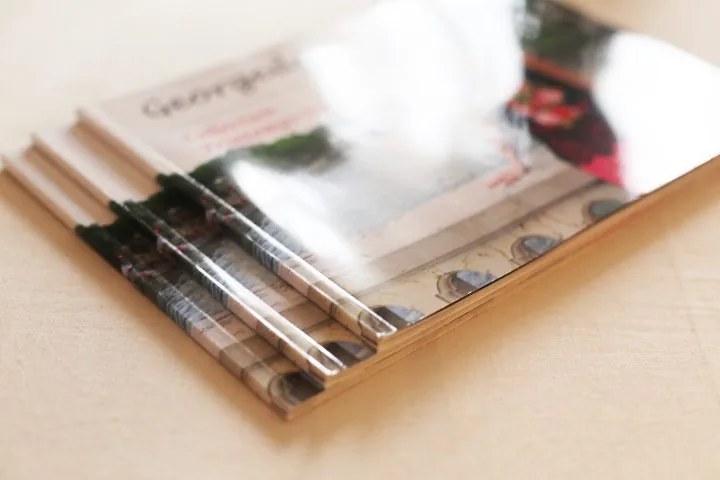
"Printed on recycled paper" means almost nothing on its own — and a print run can be more sober than a mass emailing. Here's what the labels actually guarantee, how they affect the result, and the choices with the biggest impact.
The labels: what they really guarantee
- ✓PEFC / FSC: fibre comes from sustainably managed forests (replanting, biodiversity). It's a material label, not a process label. The vast majority of our papers are certified today.
- ✓Imprim'Vert: the French label of the production site — hazardous waste management, no toxic products, secured liquid storage. It covers the workshop, not the paper.
- ✓Recycled paper: made from recovered fibre. Modern ranges have lost the grey grain of the 2000s — some recycled whites are nearly indistinguishable from classic coated stock.
- ✓Vegetable-based inks: binders from vegetable rather than mineral oils, mostly in offset. Better de-inking at recycling time.
For work requiring formal certification, we produce on Imprim'Vert, PEFC, FSC and ISO 9001 certified sites — mention it in your quote request; the certification line can appear on the printed piece.
The 4 choices with the biggest impact
1. The right run length
The first ecological act is not printing copies destined for the bin. Digital printing makes short runs relevant: print close to actual need and reprint if it flies, rather than a big "just in case" run.
2. The right paper weight
Lightening a handout's paper weight cuts material accordingly, without changing perception. Keep heavy stocks for what must last: the business card, the brochure cover.
3. The smart format
An A5 instead of an A4, a tri-fold leaflet instead of an 8-page brochure when the content allows: half the paper, often more punch. Our studio can rethink the layout that way (design & prepress studio).
4. Reusable displays
A roll-up with a timeless message serves for years. Trade-show tip: design the visual without dates or booth numbers — perishable info goes on a small reprintable sign, not on the main graphic.
And local production?
Printing in the Paris region to deliver Paris avoids the thousands of lorry-kilometres of distant printers. Logistics sobriety is part of the footprint, just like the paper.
Quick true/false
- ✓"Recycled looks worse" — False today for most uses.
- ✓"Eco-friendly can't look premium" — False: recycled creative papers, vegetable inks and careful finishing make beautiful objects.
- ✓"Lamination prevents recycling" — Partly true: keep it for long-life pieces, and let's talk varnish for the rest.
Tell us the use, expected lifespan and desired effect: we'll propose the most sober paper + process + finish combination that still meets your quality bar. Finding that balance is our job.
A more responsible print project?
Tell us the use case and expected lifespan: we'll suggest the most sober paper and process that still delivers the finish.